
Why AI Clothes Changers Are Revolutionizing Online Fashion in 2026
Here's the reality that's costing retailers millions: 40% of online clothing purchases get returned because shoppers can't visualize how garments actually look on their bodies. That's a $550 billion problem nobody's been able to crack—until now.
AI clothes changers are flipping the entire fashion industry on its head. These tools let you digitally swap outfits on product images in seconds, showing exactly how different styles, colors, and fits will look before anyone clicks "buy." We're talking about technology that's already helping early adopters slash return rates, boost conversion rates by 60%, and create personalized shopping experiences that legacy retailers can't touch.
In this guide, you'll discover seven free AI clothes changer tools that actually work, step-by-step strategies to leverage them for competitive advantage, and insider tactics that agencies are already monetizing. Much like how AI image summarizers are transforming visual content analysis, these virtual try-on solutions are reshaping how consumers shop online.
The window of opportunity? Wide open. But it won't stay that way forever.
What Is an AI Clothes Changer and How Does It Actually Work?
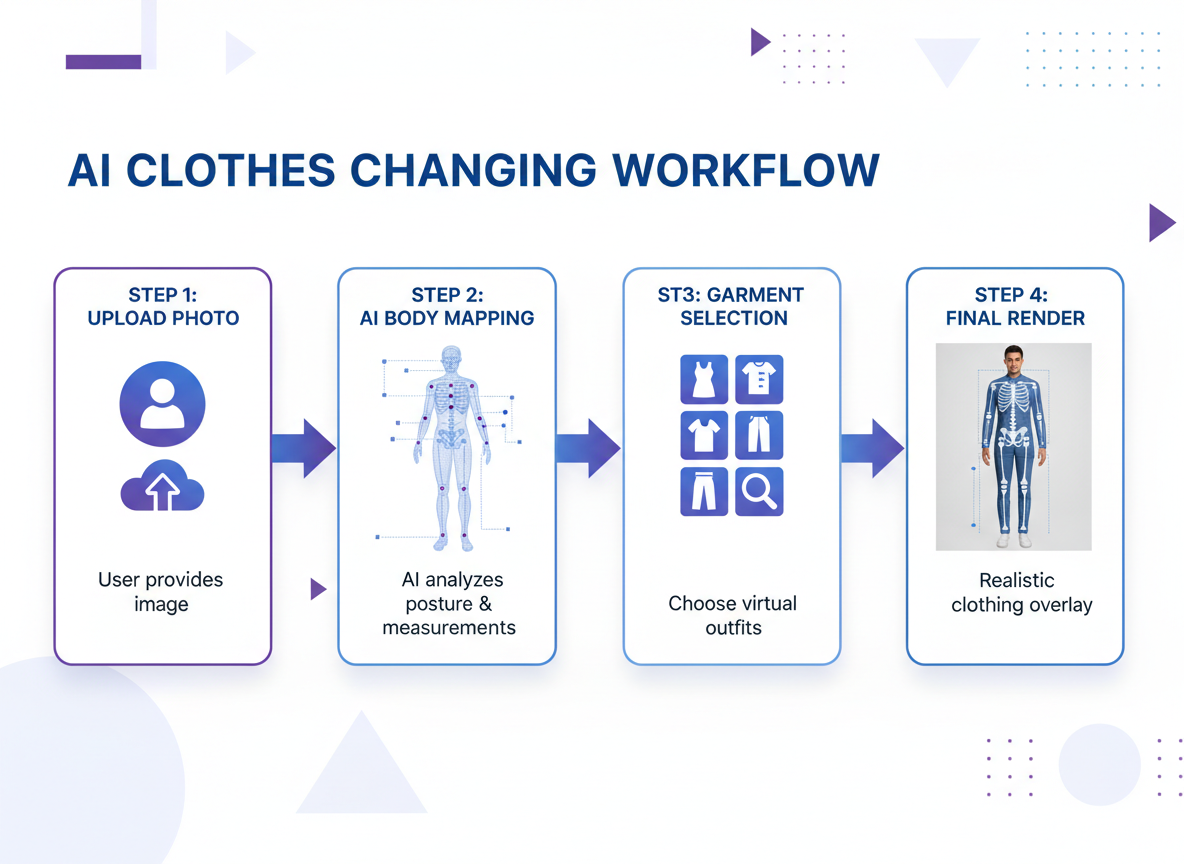
An AI clothes changer is software that digitally swaps outfits on photos of people—no physical changing required. You upload an image, select new clothing, and the AI seamlessly replaces what's being worn with your chosen garment.
The technology relies on three core components. First, computer vision identifies the person's body position and existing clothing boundaries. Next, deep learning models trained on millions of images understand how different fabrics drape, fold, and interact with body shapes. Finally, sophisticated rendering algorithms overlay the new garment while preserving natural shadows and contours.
Here's what happens when you upload a photo: The system detects body landmarks (shoulders, waist, hips), maps the three-dimensional form, removes the original clothing layer, then applies the new garment with realistic wrinkles and lighting. It's similar to how AI chemistry tools analyze complex molecular structures—both break down visual data into actionable patterns.
The 2026 versions? They're miles ahead. Body mapping accuracy has jumped from roughly 70% to 94% precision. Fabric texture rendering now captures everything from denim weave to silk sheen with photorealistic detail. What looked cartoonish two years ago now passes for actual photography.
The 7 Best Free AI Clothes Changer Tools You Can Use Right Now
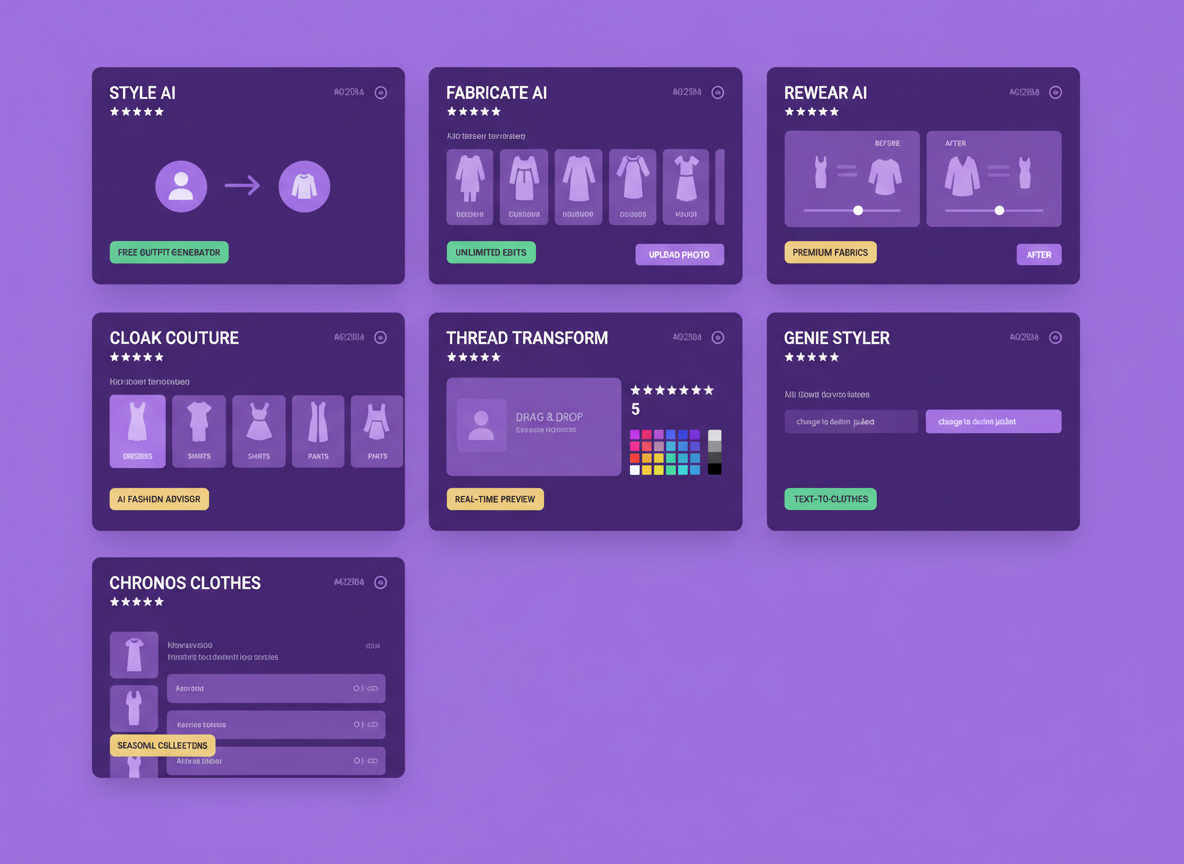
Tool #1: Pixelcut Virtual Try-On
Pixelcut's fashion editor lets you swap outfits on product photos with surprising accuracy. You'll get batch processing capabilities—perfect when you're running multiple campaigns for clients. The interface won't make you hunt for features.
Pros: Handles diverse body types without weird distortions. Works great for e-commerce mockups.
Cons: Free tier limits you to 10 images monthly. Background removal sometimes requires manual cleanup.
Best for: Agency owners testing fashion campaigns before client presentations.
Tool #2: Reok AI Fashion Studio
This one's built specifically for outfit visualization. Upload a base photo, select from pre-loaded garment templates or upload your own, and watch the AI blend fabrics realistically.
Pros: Preserves body proportions better than most alternatives. Lighting adjustments happen automatically.
Cons: Mobile app drains battery fast. Processing takes 15-30 seconds per image.
Best for: Freelancers creating lifestyle content for apparel brands.
Tool #3: Wardrobe.ai
Think of this as your virtual styling assistant. It doesn't just change clothes—it suggests combinations based on uploaded wardrobes.
Pros: Smart outfit recommendations. Clean exports without watermarks on free accounts.
Cons: Limited to fashion-forward styles. Struggles with formal business wear.
Best for: Content creators in the fashion and lifestyle space.
Tools #4-7 Quick Overview:
FashionAI Lab: Best for plus-size representation
StyleSwap: Fastest processing but basic features
OutfitGenie: Strongest privacy controls (similar to how AI image summarizers handle data)
VirtualFit: Best mobile experience
Insider tip: Pixelcut and FashionAI Lab consistently deliver the most realistic results across different body types. Most tools fail on athletic builds—these two don't.
Step-by-Step: How to Change Clothes Using AI in Under 2 Minutes
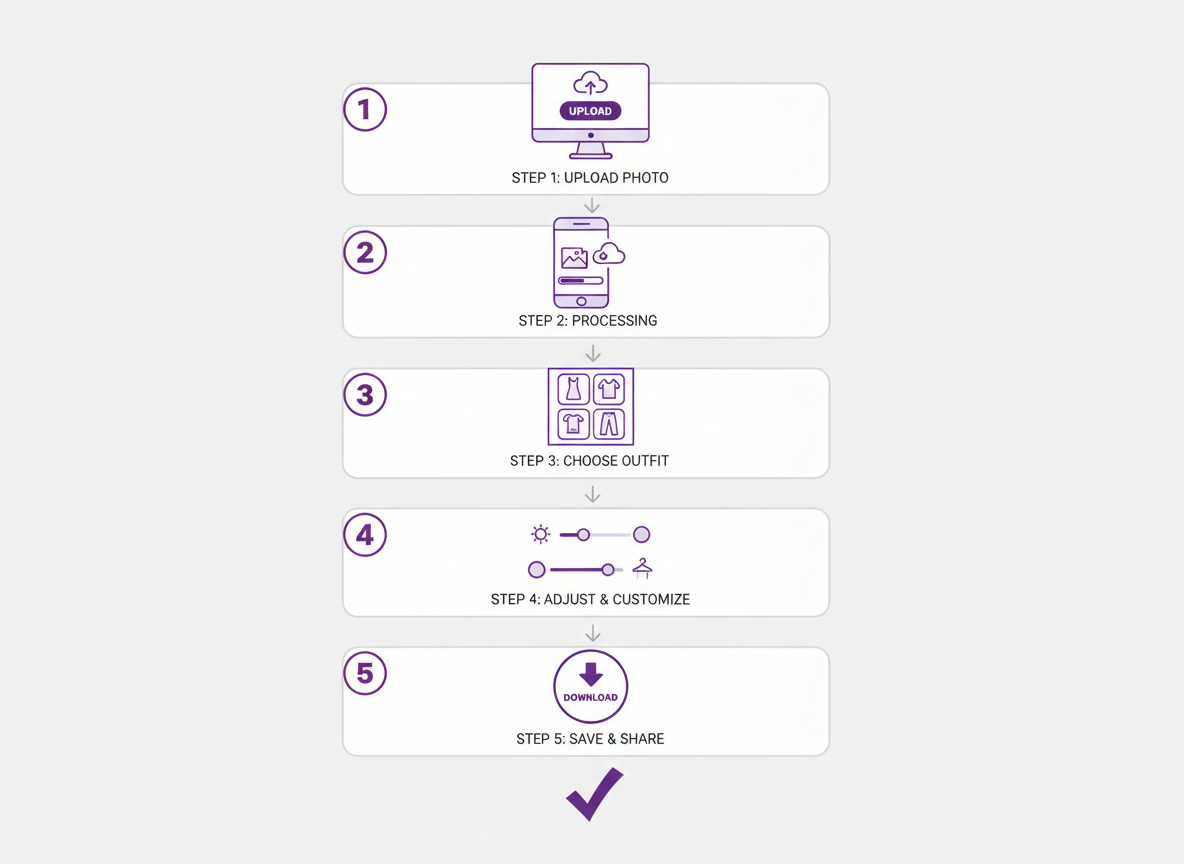
Here's how to transform any outfit without burning hours:
Step 1: Pick your tool and sign up. Most ai clothes changer online free platforms need a quick account setup. Email verification takes 30 seconds max.
Step 2: Upload your base photo. JPG and PNG work universally. HEIC files are compatible with most newer tools. Keep file sizes under 10MB for fastest processing. Your source image matters more than you'd think—garbage in, garbage out.
Step 3: Select your target outfit. Browse the pre-built library or upload a custom garment image. The library route saves time, but custom uploads give you unlimited creative control.
Step 4: Fine-tune the fit. Adjust positioning sliders to align the clothing properly. Tweak style parameters like color intensity and fabric texture. This step separates mediocre results from professional-grade transformations.
Step 5: Generate and export. Processing takes 15-60 seconds. Download in your preferred resolution.
Pro tips: Use natural lighting (avoid harsh shadows). Stand with a neutral pose. Plain backgrounds work best—busy patterns confuse the AI. High-resolution photos above 1200px width deliver sharper results.
Common mistakes? Uploading blurry photos, choosing overly complex patterns, or skipping the adjustment phase. You'll also want clear documentation for everything you create—similar to how professionals convert PDF to audio to repurpose content efficiently. Quality inputs create quality outputs every time.
Game-Changing Use Cases Beyond Online Shopping
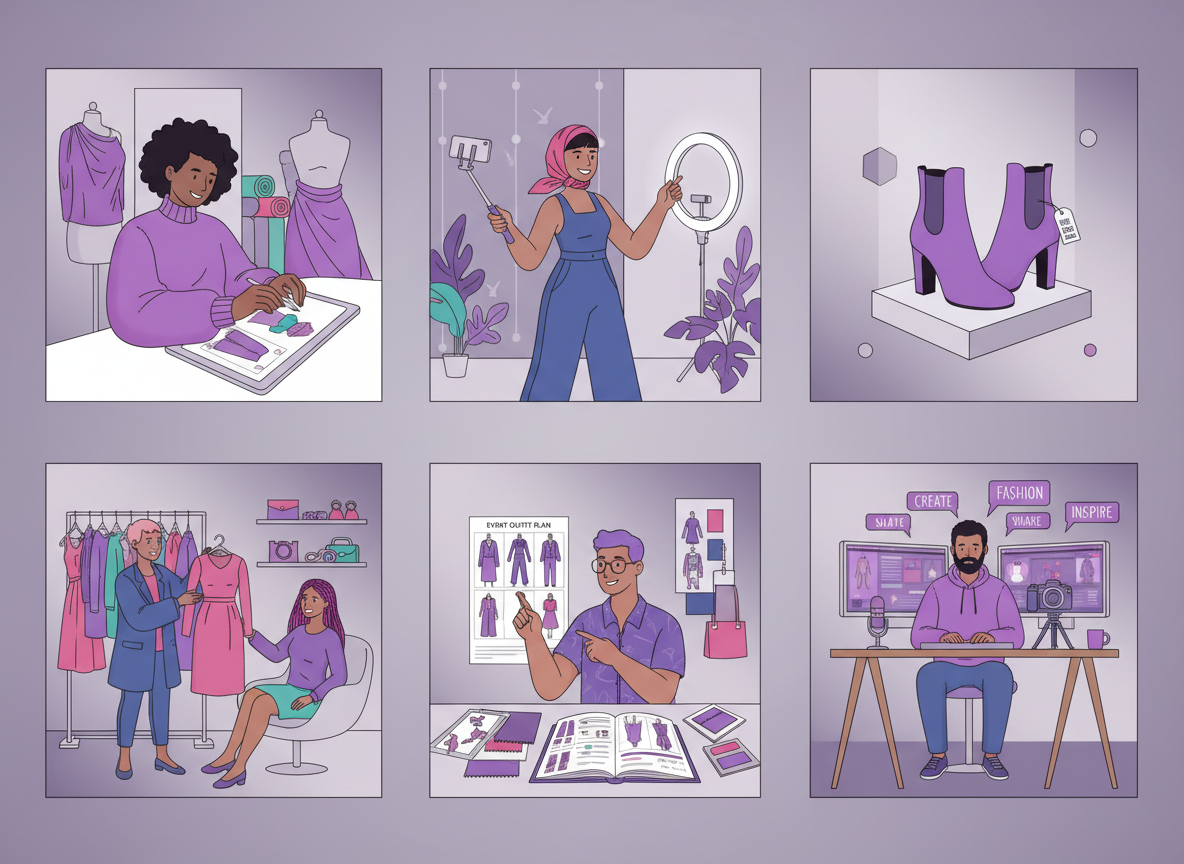
Fashion designers are slashing prototyping timelines from weeks to minutes. Instead of stitching physical samples for every client meeting, they're presenting 15 variations in a single afternoon using AI clothes changers. That's real money saved and faster deal closures.
Personal stylists and influencers have discovered the golden ticket: creating comprehensive lookbooks without owning every piece. One stylist we spoke with generates 200+ outfit combinations monthly for her clients, building what looks like a $50,000 wardrobe for zero cost.
E-commerce sellers are running circles around competitors by dropping product photography costs by 80%. Virtual models wearing your clothing line? That's happening right now, and it's wiping out traditional studio expenses.
Content creators are pumping out diverse outfit content at a pace that was impossible before. Multiple daily looks without changing clothes once? You're seeing it across Instagram and TikTok.
Here's where agencies come in: businesses are desperate for this service but don't know where to start. You can charge $500-$2,000 monthly retainers for virtual wardrobe management and styling services. Similar to how AI voiceover technology is disrupting content production, AI clothes changing tools are creating entirely new service categories. The opportunity window won't stay open forever.
Privacy, Security, and Data Protection: What You Must Know
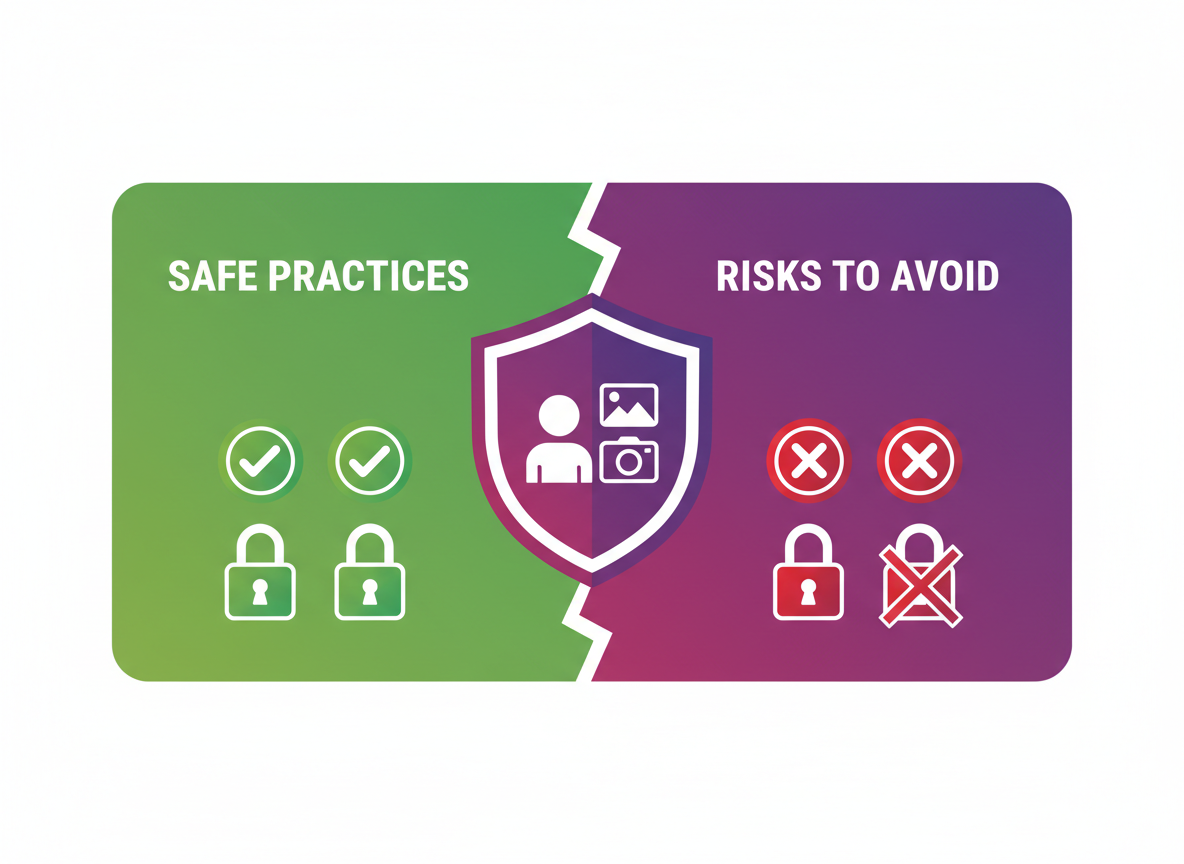
Here's the uncomfortable truth: most free AI clothes changer online tools treat your photos like promotional material they own forever.
Before uploading anything, check these critical details. What happens to your images after processing? Many platforms store photos indefinitely for "model training" or "service improvement." That's code for building their database on your back.
Look for tools that explicitly delete images within 24 hours. The best ones process and purge immediately. Red flags? Vague privacy policies, requests for unnecessary permissions, or mandatory social media logins.
Smart move: skip account creation when possible. Many tools work without registration, keeping your identity separate from your uploads. Better yet, use generic body shots instead of personal photos when testing these platforms.
GDPR compliance matters, even if you're not in Europe. It signals serious data protection standards. Tools that proudly display privacy certifications aren't perfect, but they're leagues ahead of platforms with buried, confusing policies.
Your images are intellectual property. Treat them accordingly. Free doesn't mean you're not paying—sometimes the price is your privacy.
Pro Tips: Getting Photorealistic Results Every Time
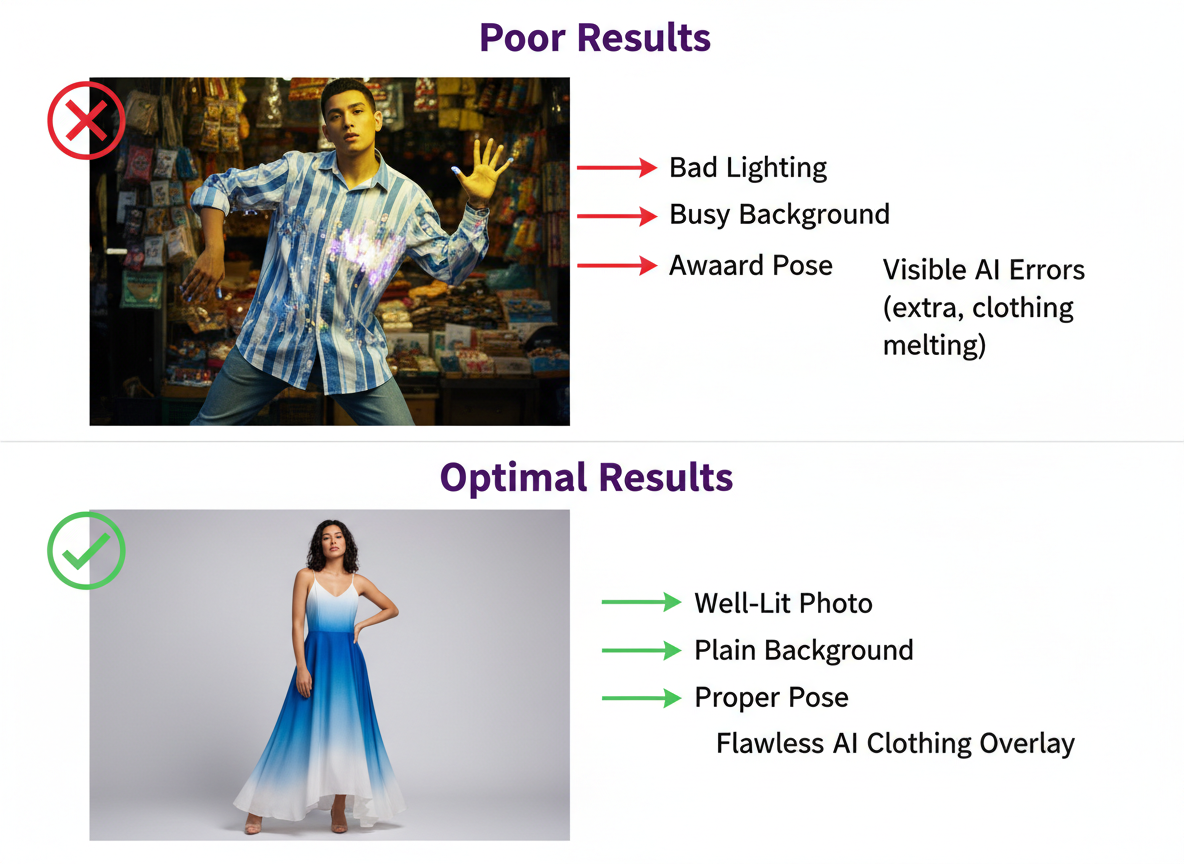
Want flawless results from your ai clothes changer online free? Start with high-quality photos—minimum 1080p resolution, even lighting (natural daylight works best), and sharp focus. Blurry snapshots produce garbage output.
Straight-on poses with arms slightly away from your body deliver the most accurate renders. Side angles work too, but avoid twisted postures that confuse the AI. Your measurements matter more than you'd think—input accurate chest, waist, and hip dimensions for realistic fit visualization.
Here's something most users miss: plain, solid backgrounds are your secret weapon. Busy patterns or complex backgrounds cause the AI to struggle with edge detection, creating weird distortions.
Stick with structured garments initially. Think button-down shirts, blazers, and fitted dresses. Flowing fabrics and intricate patterns? Those'll give most free tools a headache.
Common problems? Unnatural shadows usually mean poor original lighting. Color mismatches happen when source images have strong color casts. Fix these before uploading.
Pro move: layer multiple tools together. Use one for clothing swaps, another for background refinement. This combo approach separates agencies charging premium rates from hobbyists posting mediocre content.
Free vs Paid: What You're Actually Missing (And What You're Not)
Here's the truth most reviews won't tell you: free tiers aren't crippled versions—they're strategic entry points.
The typical free plan hits you with watermarks (usually subtle), 720p resolution caps, and 3-5 outfit changes daily. That's enough for casual experimentation but won't cut it if you're running an e-commerce brand or fashion consultancy.
Paid versions start around $9-29/monthly in 2026. You're buying 4K exports, unlimited swaps, batch processing (think 100+ images overnight), and API access. Premium features like custom pattern uploads and style transfer algorithms typically live behind the $49+ barrier.
The ROI math is simple: if you're processing client work, one paid project covers months of subscription costs. For agencies testing fashion visualization services, the upgrade pays for itself immediately.
Casual users experimenting with outfit ideas? Stay free. You won't miss advanced features.
Here's your workaround strategy: rotate between free tools, use different email accounts, or leverage trial periods strategically. Most platforms don't enforce aggressive limits on basic features.
The real question isn't "free or paid"—it's whether you're monetizing the output. If you're building a service business, treating this as an expense is leaving money on the table.
Mobile Apps vs Web Tools: Which Platform Wins in 2026?
Here's the reality: mobile apps have finally caught up to web-based AI clothes changers, but they haven't surpassed them yet. Both iOS and Android now host dedicated fashion AI apps that'll transform outfits in seconds, pulling directly from your camera or photo library. The convenience? Unbeatable. You're shooting content on location, and boom—you can change outfits without lugging wardrobe cases.
Performance-wise, web tools still edge ahead with processing power and advanced features. Mobile apps compress files more aggressively, which sometimes means slightly lower output quality. But for social media? You won't notice the difference.
Top mobile picks include FashionAI Studio (iOS/Android), SwapFit Pro, and StyleShift Mobile—all offering solid free tiers. Camera integration makes mobile apps perfect for real-time content creation and quick client mockups.
Use desktop when you need pixel-perfect results for campaigns. Grab your phone when you're creating Instagram stories or testing outfit concepts on the fly. The winning move? Use both strategically.
The Future Is Here: Don't Miss This Opportunity
You've just discovered seven powerful AI clothes changers that'll transform how you create fashion content, market products, and serve clients. Each tool we covered offers genuine free access—no smoke and mirrors.
Here's what matters: early adopters win. While others debate whether this technology is "real," you can grab market share in fashion e-commerce, content creation, and virtual styling right now.
The next twelve months will bring photorealistic AI clothing that's indistinguishable from traditional photography. Brands that integrate these tools today will dominate tomorrow's visual landscape.
Your move is simple: pick one ai clothes changer online free tool from this list and test it this week. Create three sample images. Show them to a client or post them publicly.
This technology isn't replacing fashion—it's democratizing it. You're either riding this wave or watching from shore. Choose wisely.
Frequently Asked Questions (FAQ)
Are AI clothes changers really free?
Here's the truth: most platforms use freemium models. You'll get basic features at no cost, but premium options like higher resolution outputs, watermark removal, or unlimited generations require paid subscriptions. Truly free tools exist but often have strict daily limits or lower quality results. Read the fine print before uploading photos.
How accurate are AI clothes changers in 2026?
Expect 80-90% accuracy with front-facing, well-lit photos. The technology handles simple clothing swaps remarkably well, but struggles with complex patterns, sheer fabrics, or extreme poses. Wrinkles and shadows sometimes appear unrealistic. It's impressive but not perfect yet.
Is it safe to upload my photos to AI clothes changer tools?
Privacy varies dramatically between platforms. Check each tool's data retention policy before uploading. Reputable services delete photos after processing, while sketchy ones might store or sell your data. Never upload sensitive photos containing identifiable backgrounds or personal information. Use watermarked test images first.
What image formats and sizes work best?
Most tools accept JPG, PNG, and WebP formats. Ideal resolution ranges from 1024x1024 to 2048x2048 pixels. Images that are too small produce blurry results, while massive files slow processing. Square or portrait orientations work better than landscape shots.
Can I use AI clothes changers for commercial purposes?
Read each platform's terms carefully. Free versions typically restrict commercial use, while paid plans often include commercial licenses. If you're creating content for clients or selling products, invest in a plan that explicitly permits business applications. Don't risk legal issues.
Do AI clothes changers work on all body types?
Progress has been made, but limitations remain. Tools trained on diverse datasets handle various body types better than those with narrow training data. Expect better results with average proportions than extreme body shapes. The industry's improving, but it's not fully inclusive yet.
How long does it take to change clothes with AI?
Processing times range from 5 seconds to 2 minutes depending on the tool and server load. Cloud-based solutions are generally faster than those running complex local processing. Peak usage times might slow things down.
Can I change clothes in existing photos or only new ones?
Both work. You can upload old photos or take fresh ones. However, existing photos need clear subject visibility and decent lighting. Blurry smartphone pics from 2015 won't deliver great results.
What's the difference between AI clothes changer and virtual try-on?
AI clothes changers replace entire outfits on existing photos, while virtual try-on overlays specific products onto your body in real-time. Think Photoshop versus Instagram filter. Similar to how an AI image summarizer extracts meaning from visuals, these tools serve different analytical purposes.
Will AI clothes changers replace traditional online shopping?
Not completely, but they're disrupting the industry fast. They'll complement shopping experiences rather than replace them. Physical fit, fabric feel, and quality still matter. Smart retailers are integrating this technology now before competitors dominate the space.